Augmented Fabrication
Augmented Fabrication was the focus of my PhD research, exploring how digital information can be embedded directly into the act of making. It positions fabrication as a spatial practice in which extended reality (XR) devices align digital geometry with physical objects, machines and workspaces. Rather than replacing human skill, Augmented Fabrication supports spatial reasoning and judgement, enabling custom fabricators to work more intuitively with complex forms.
Diatoma Pavilion (XR-assisted assembly)
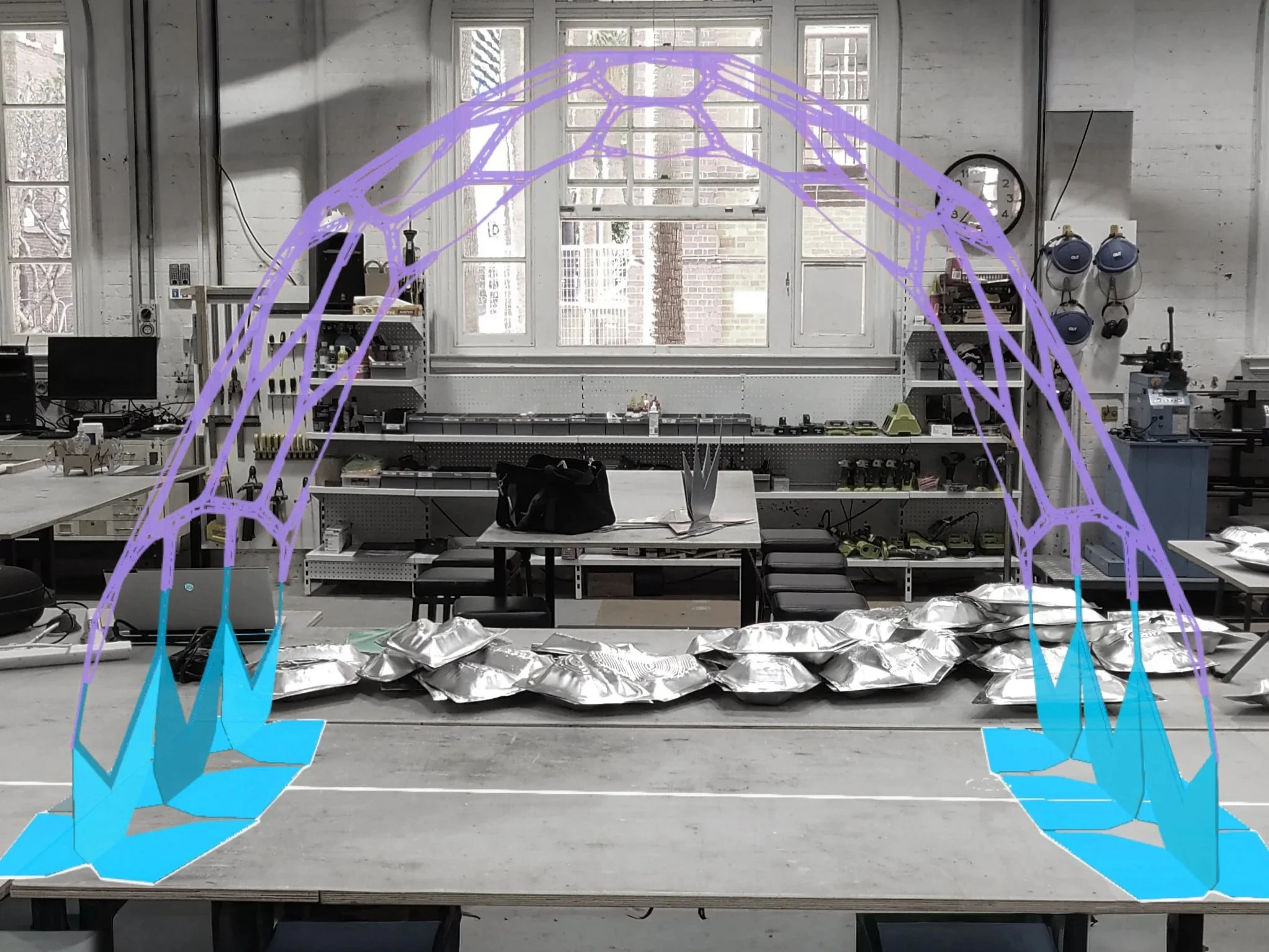
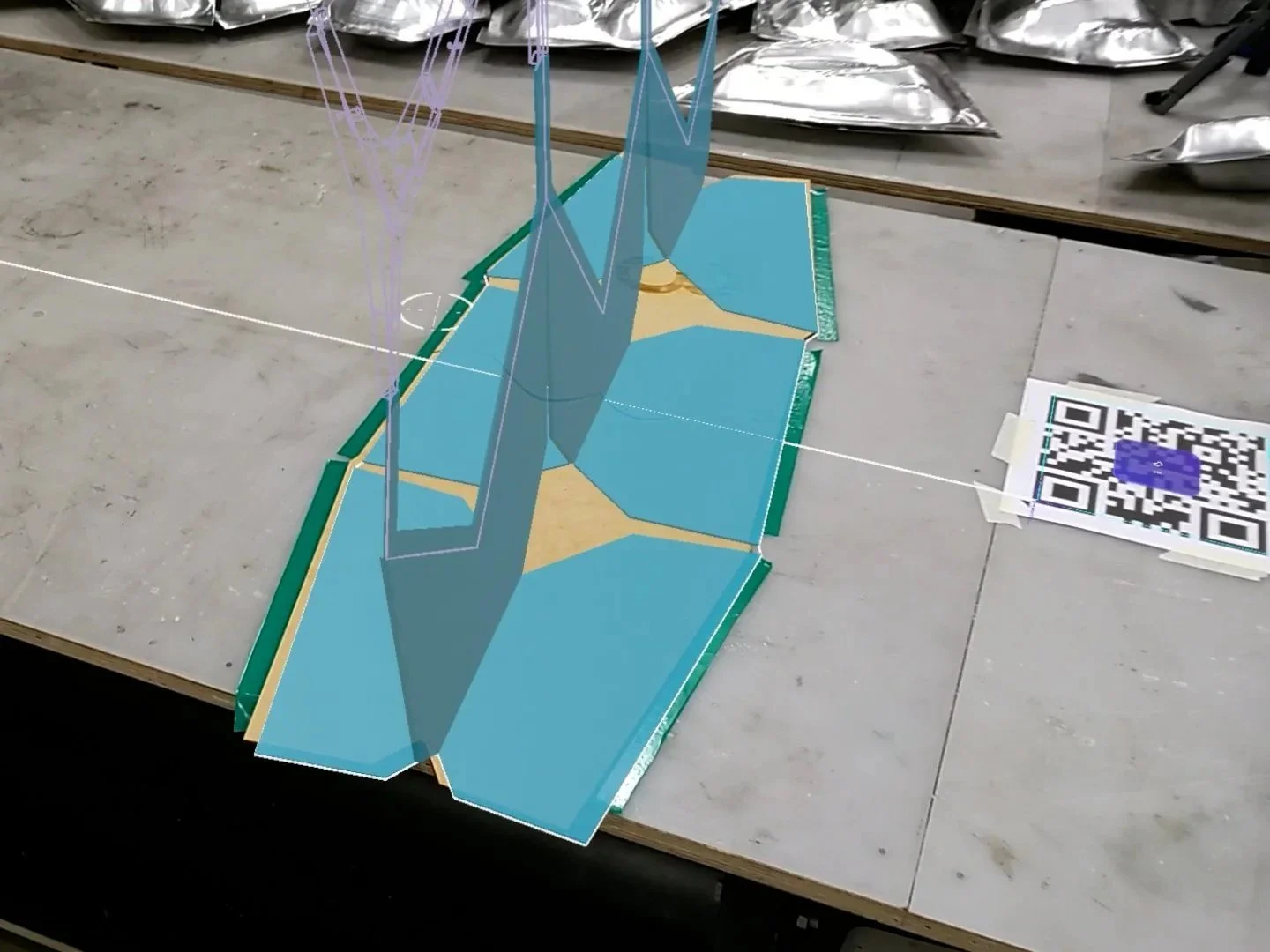
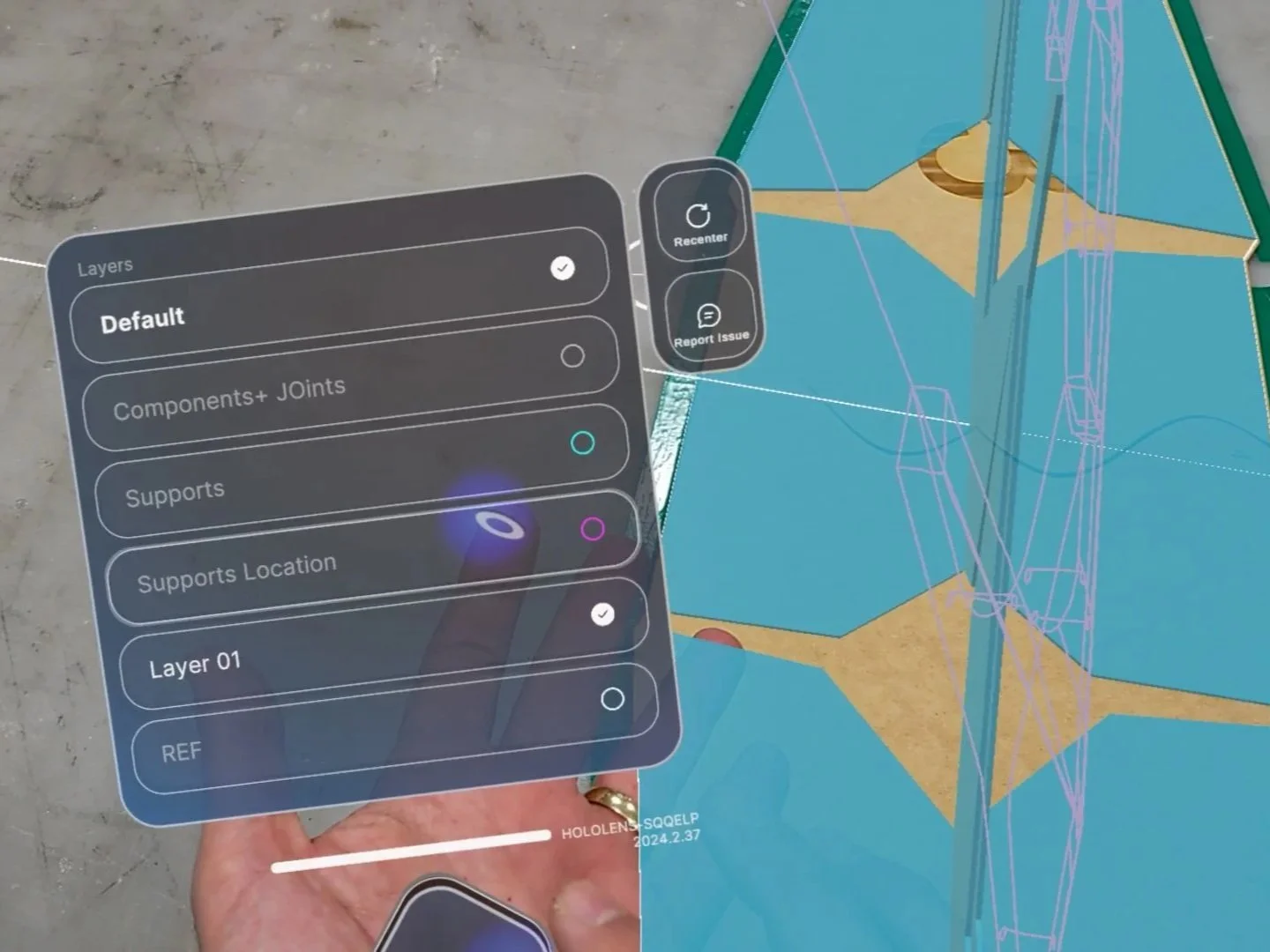
Collaborated with Dr Shabnam Loftian from QUT on her Diatoma bio-inspired pavilion, developing XR visualisation workflows to support assembly.
Digital geometry was overlaid onto physical components to guide alignment and placement, enabling accurate construction of a complex, lightweight structure.
Further project information can be found here:
Co-Design Project (XR-assisted design)
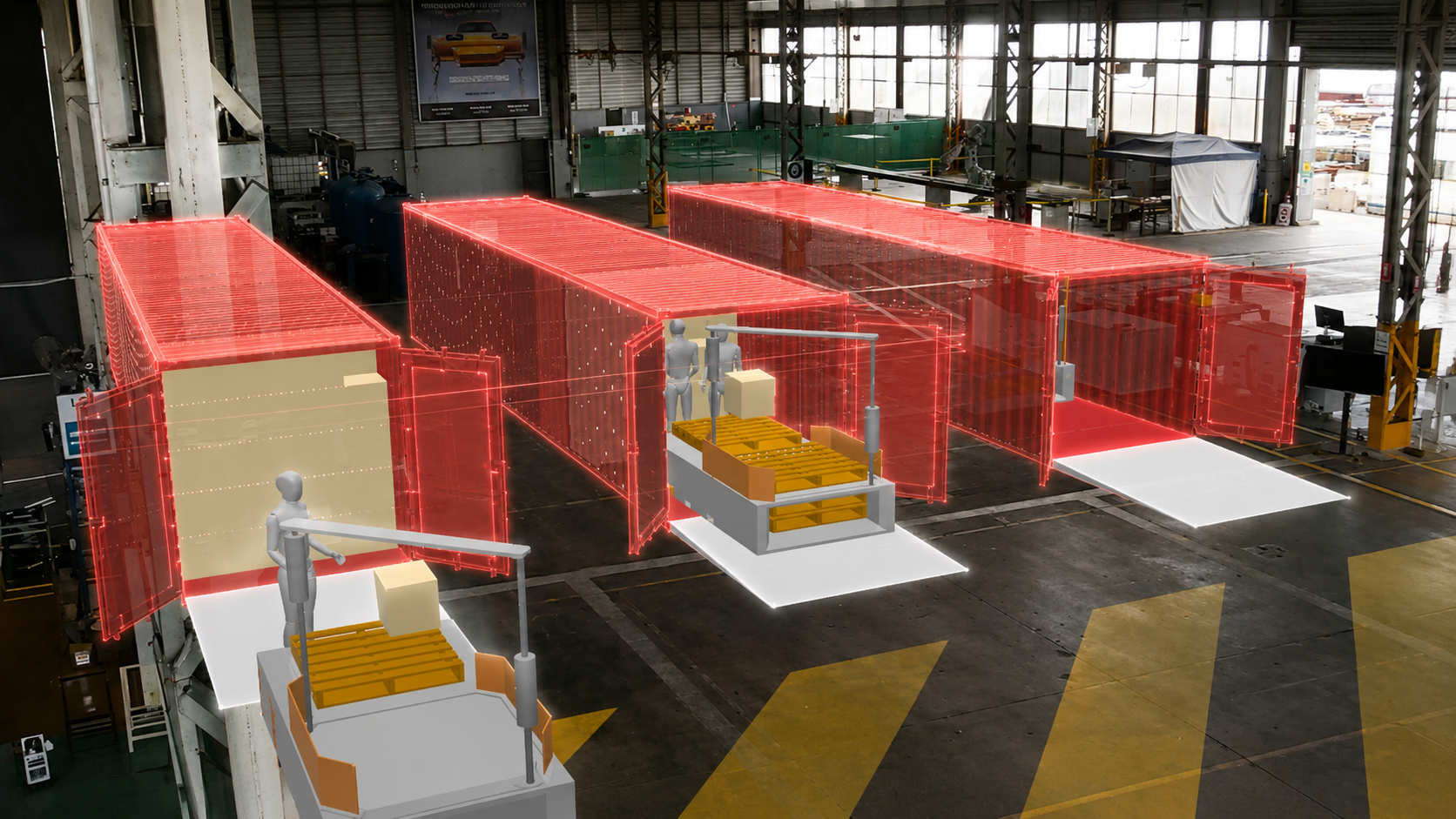
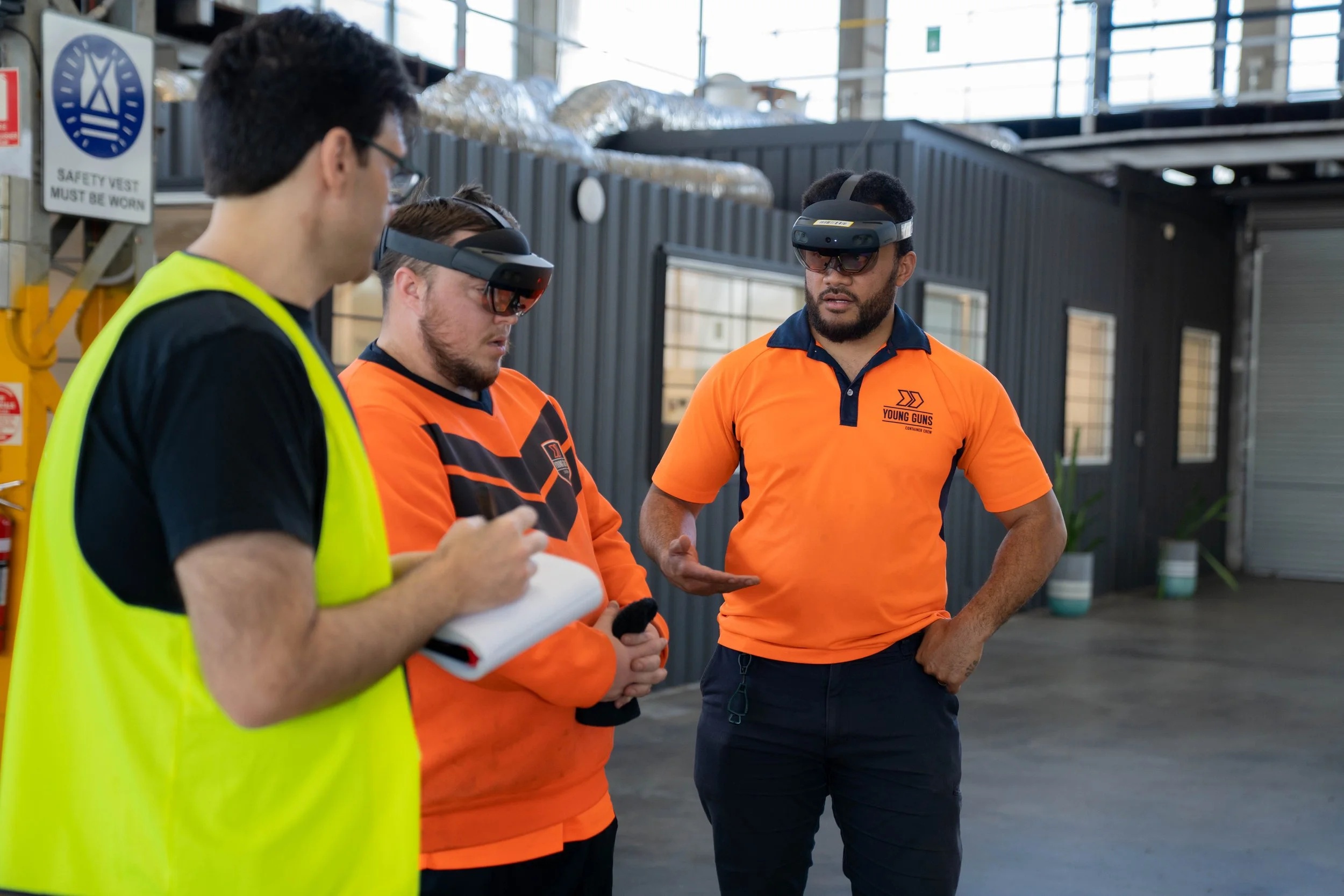
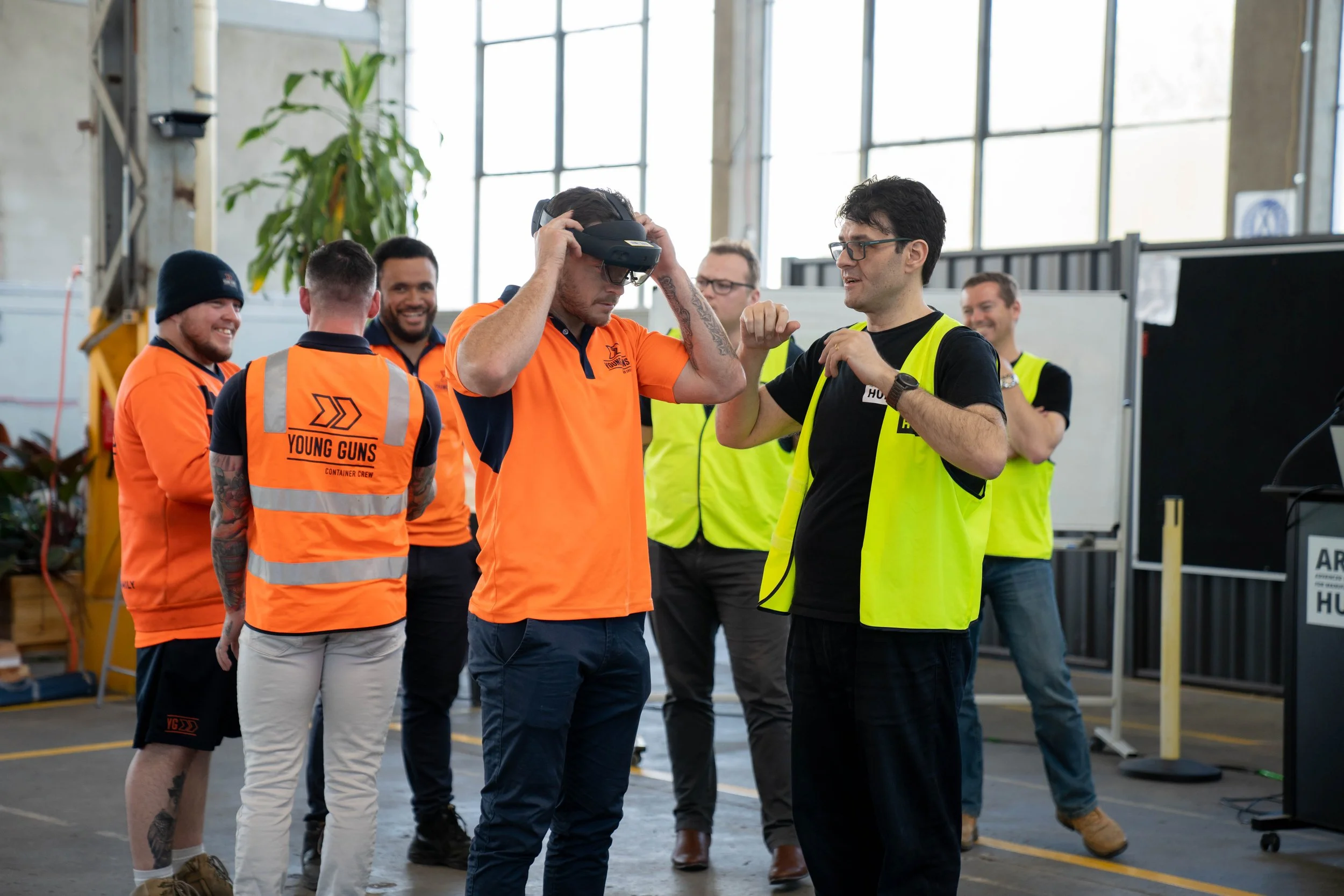
Led the development of an XR-supported co-design process with YGCC, a local Indigenous family-owned logistics company.
Taking a co-design approach enabled frontline workers to engage directly in the design process, interacting with digital concept designs within a virtual distribution centre.
This supported real-time feedback, improved communication, and strengthened alignment between design intent and operational needs.
Image Source - Advanced Robotics for Manufacturing Hub (ARM Hub)
XR-Guided Fabrication (Foam Carving)
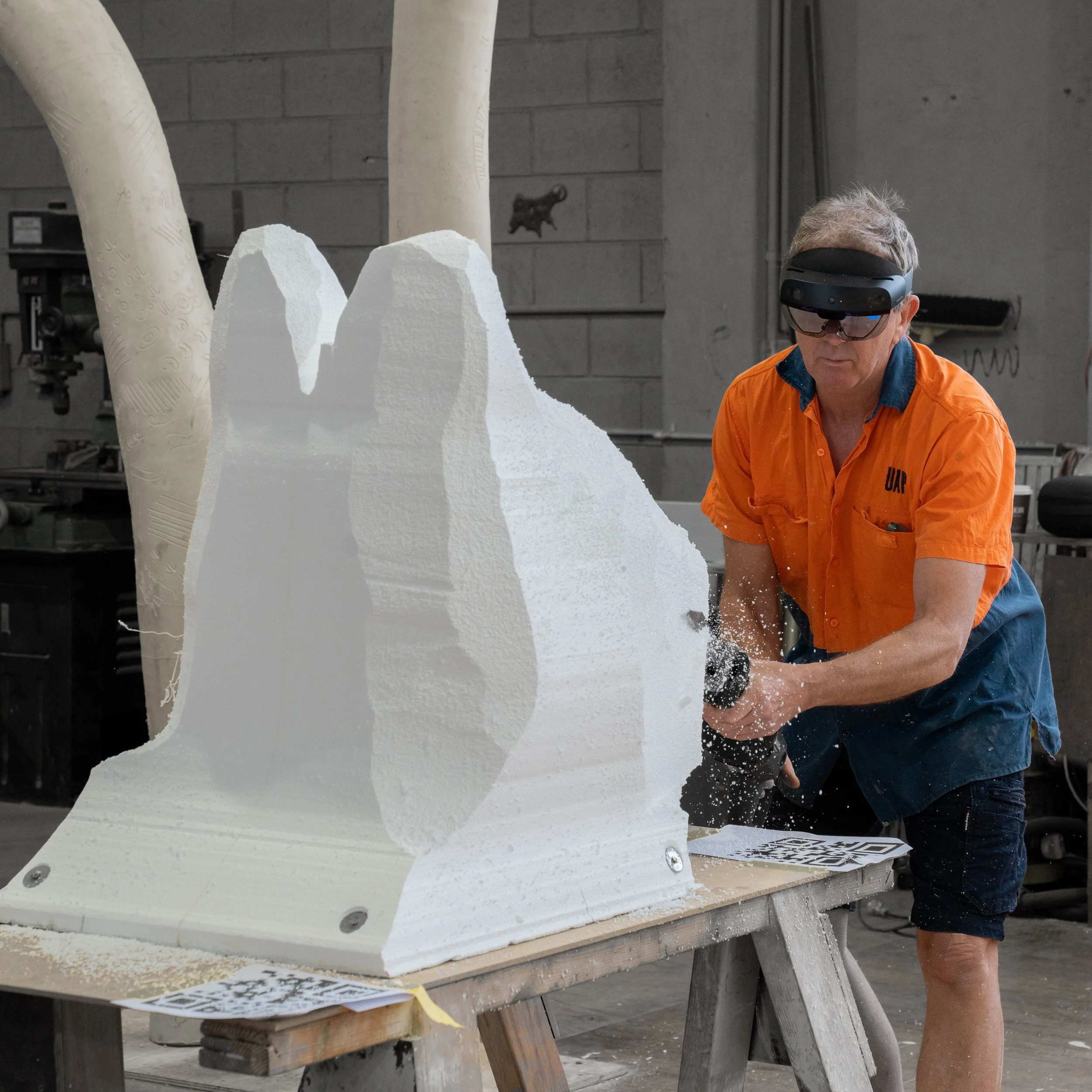
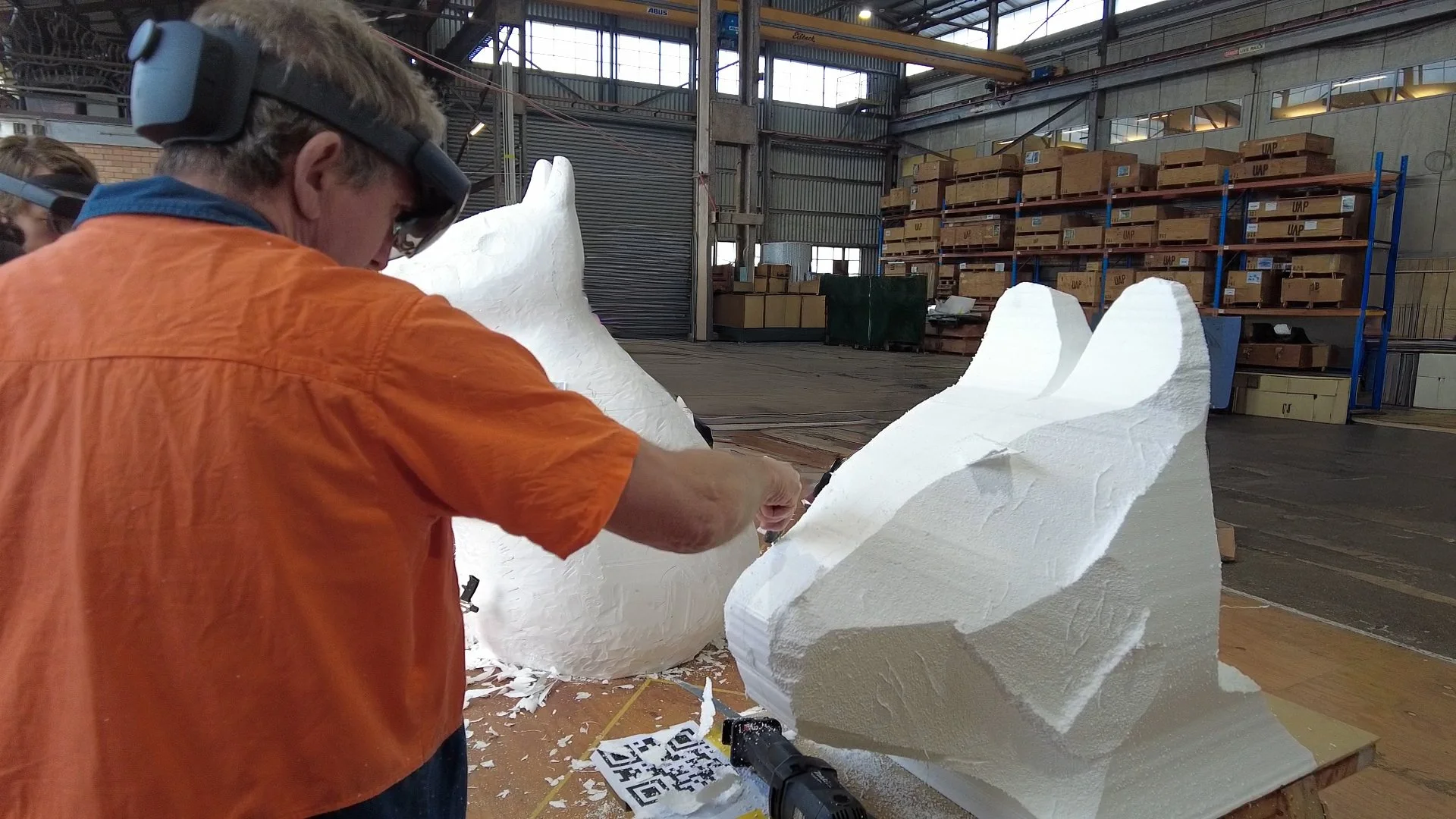
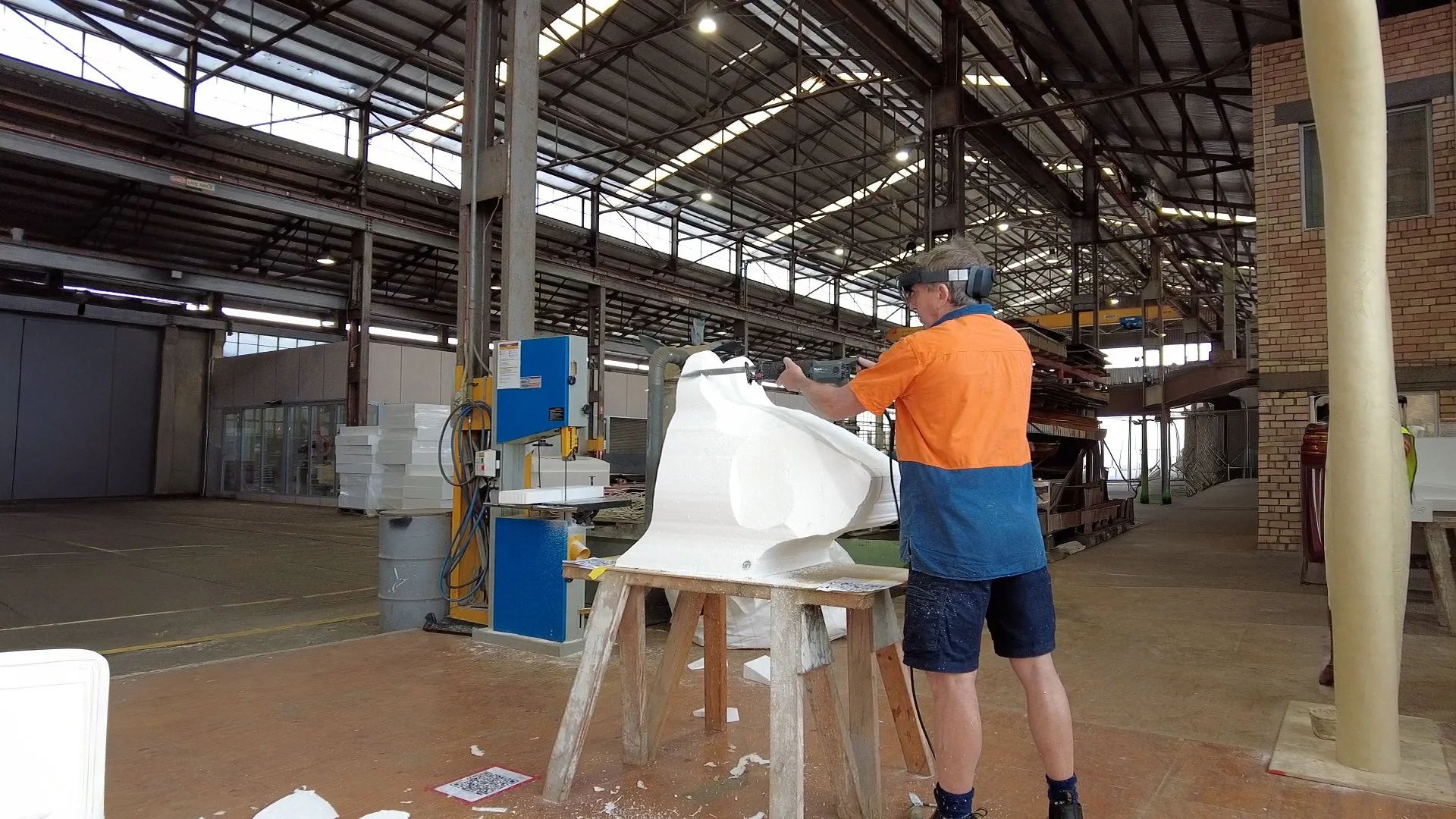
Using a Microsoft HoloLens 2, digital geometry is overlaid directly onto foam to guide manual cutting with an electric saw. The fabricator interprets the projected form in real time, aligning each cut with the intended geometry as it emerges through the material.
This approach supports the production of complex, non-standard forms without reliance on templates or drawings, allowing decisions to be made in situ through spatial understanding. The sculptural form draws from Buru by Hayley Pigram (Darug, Boorooberongal clan).
Image Source - Advanced Robotics for Manufacturing Hub (ARM Hub)
Mixed Reality Design-Build Workshop (Fologram)
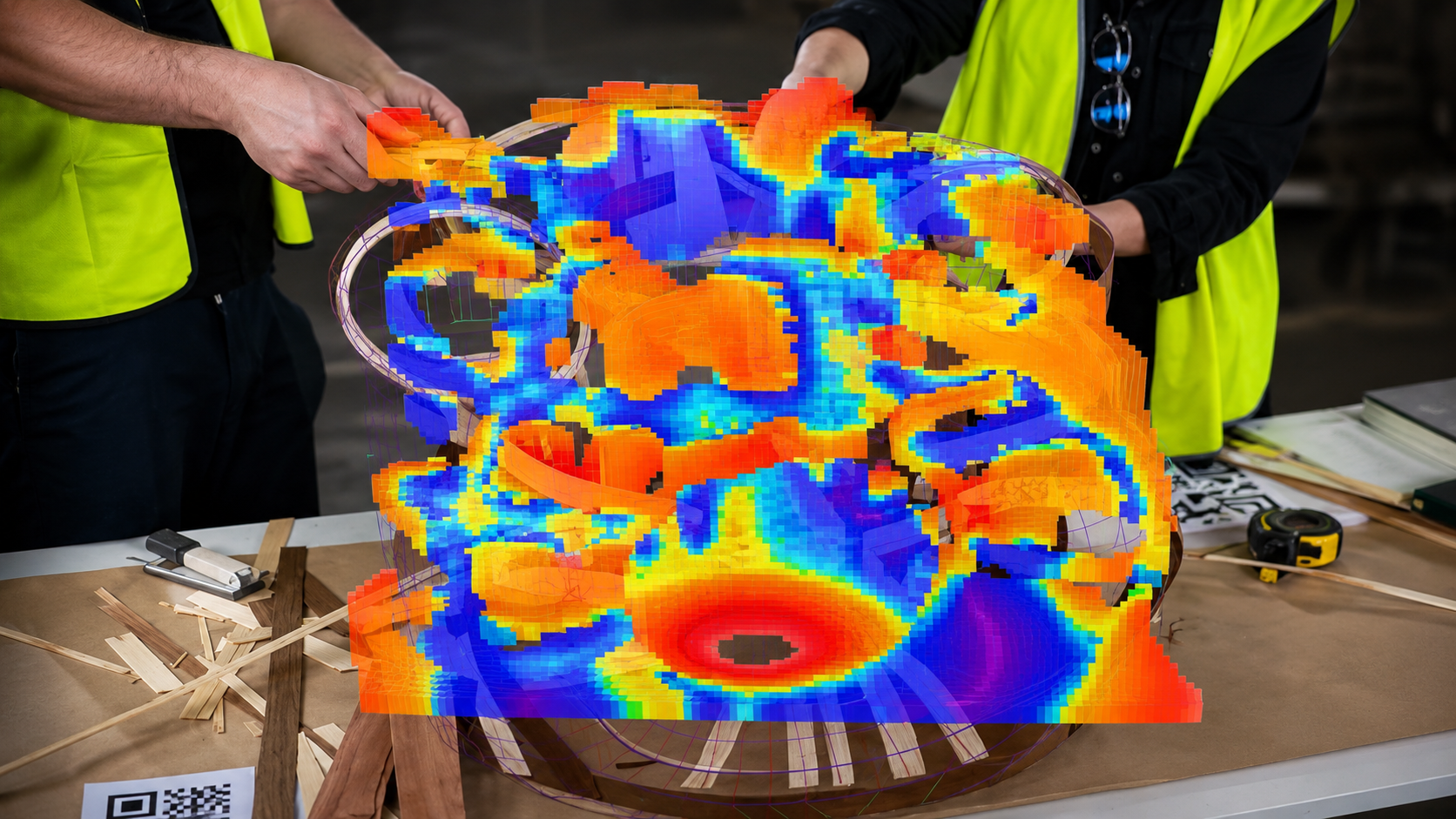
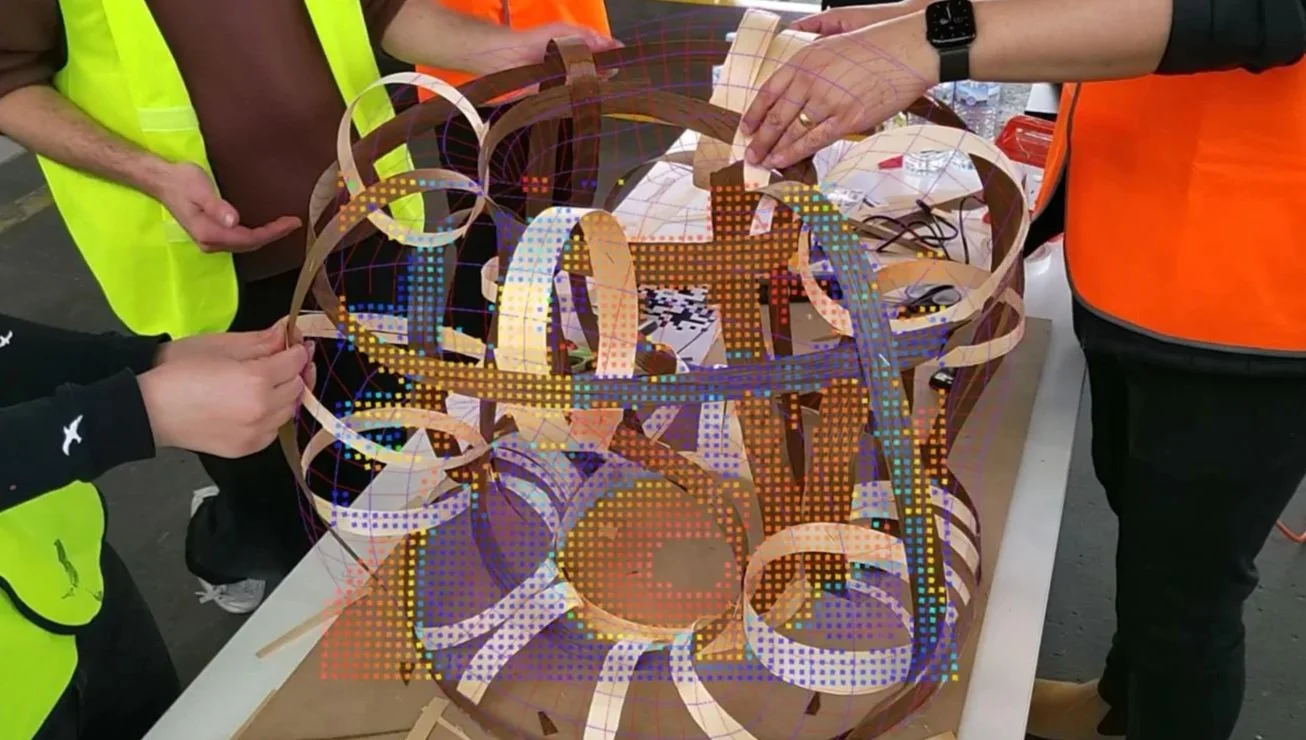
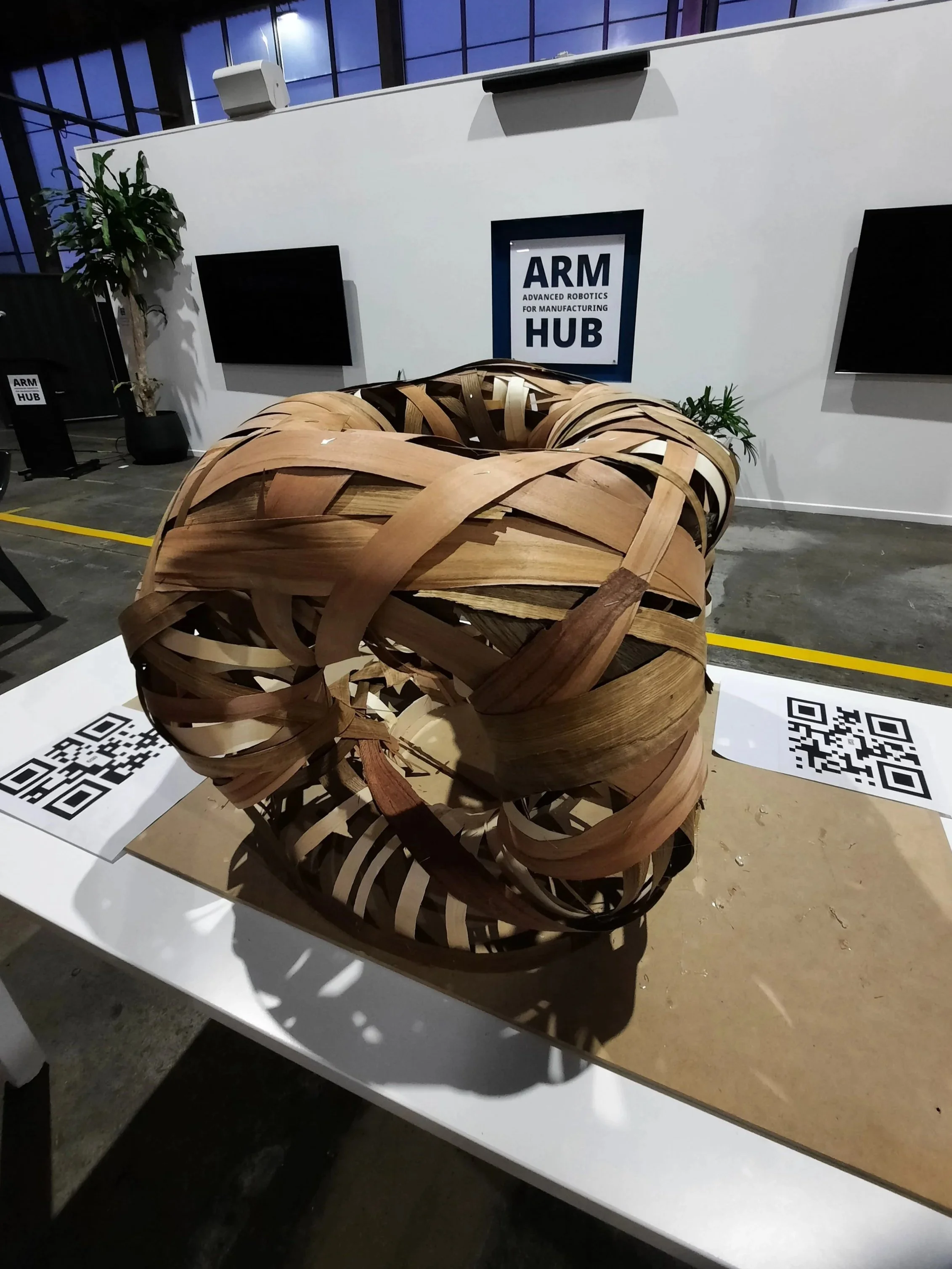
A hands-on workshop exploring how mixed reality can support manual fabrication, culminating in the production of a full-scale sculptural prototype. Using the HoloLens 2, digital geometry was overlaid directly onto physical materials, guiding alignment and shaping throughout the build process.
Participants could compare the emerging form with the intended design in real time, enabling intuitive adjustments and collaborative decision-making. The resulting structure demonstrates how augmented fabrication can support the accurate realisation of complex forms without reliance on drawings or templates.
Image Source - Advanced Robotics for Manufacturing Hub (ARM Hub) and QUT
Spatial Design with Gravity Sketch
I use Gravity Sketch VR as a tool for spatial design, enabling me to develop ideas in 3D. This approach allows designers and students to sketch, iterate, and evaluate form at full scale, bridging the gap between concept and fabrication.
In teaching, I introduce XR-based workflows that move beyond traditional drawing, encouraging students to think through making rather than representation. By working directly with form, proportion, and spatial relationships, students develop a more intuitive understanding of how designs translate into physical outcomes.
This work connects directly to Augmented Fabrication, where digital geometry is not only designed in space but also carried through into fabrication processes, supporting a more fluid relationship between design and making.
Image Source - Griffith University